By Rylie Oswald
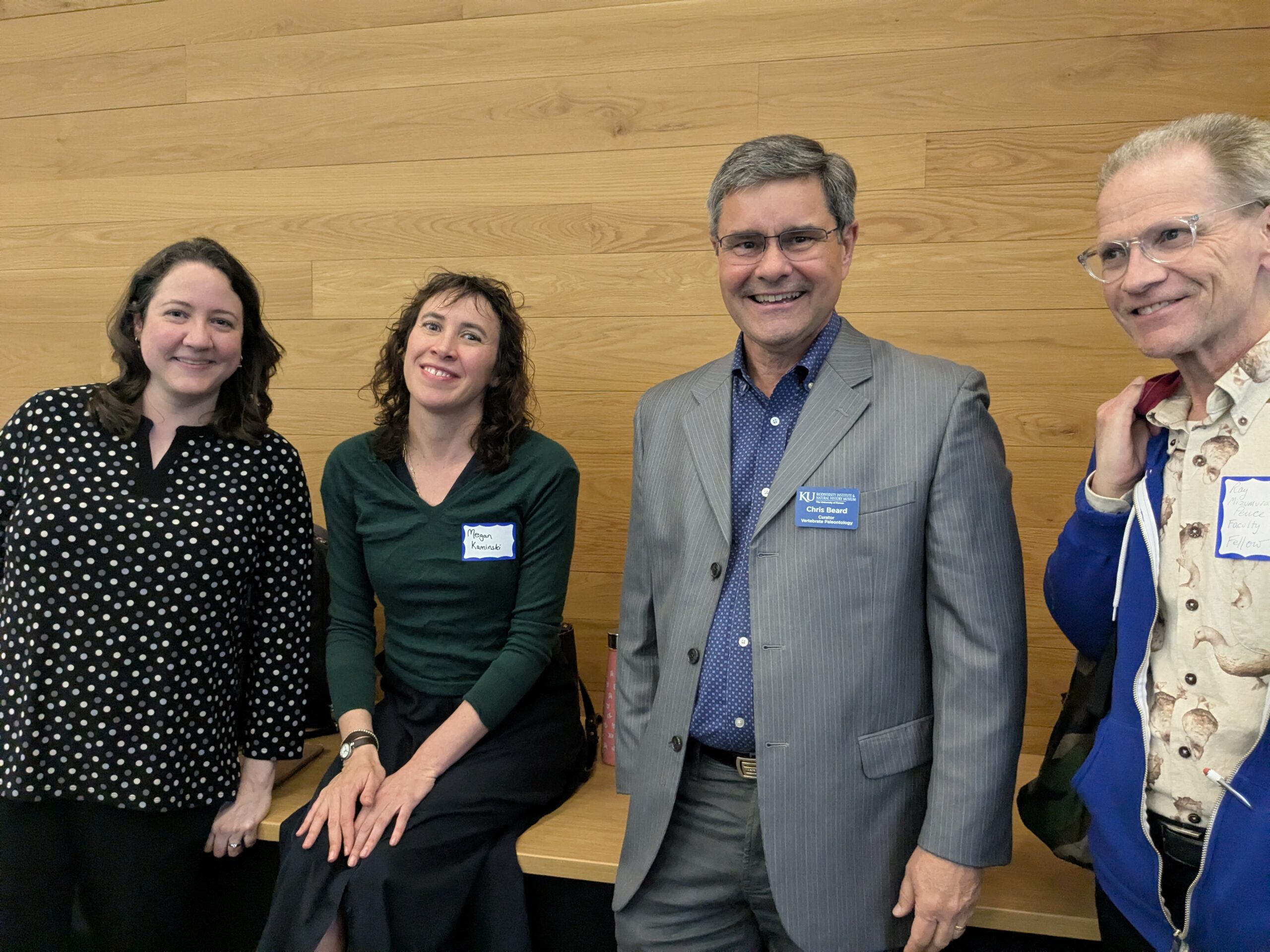
Chris Beard grew up in a rural area in North Carolina, and without the honors program and faculty fellows at his state university, he wouldn’t have realized his passion: being a research scientist.
“The idea of becoming a research scientist simply never occurred to me until I went to undergrad because I didn’t know any research scientists,” Beard said.
Beard is an honors faculty fellow in the University Honors Program at the University of Kansas. In addition to being the Alan & Maria Stearns faculty fellow, he is also a distinguished foundation professor in the Department of Ecology & Evolutionary Biology. As a faculty fellow, he mentors honors students interested in science, as well as other disciplines.
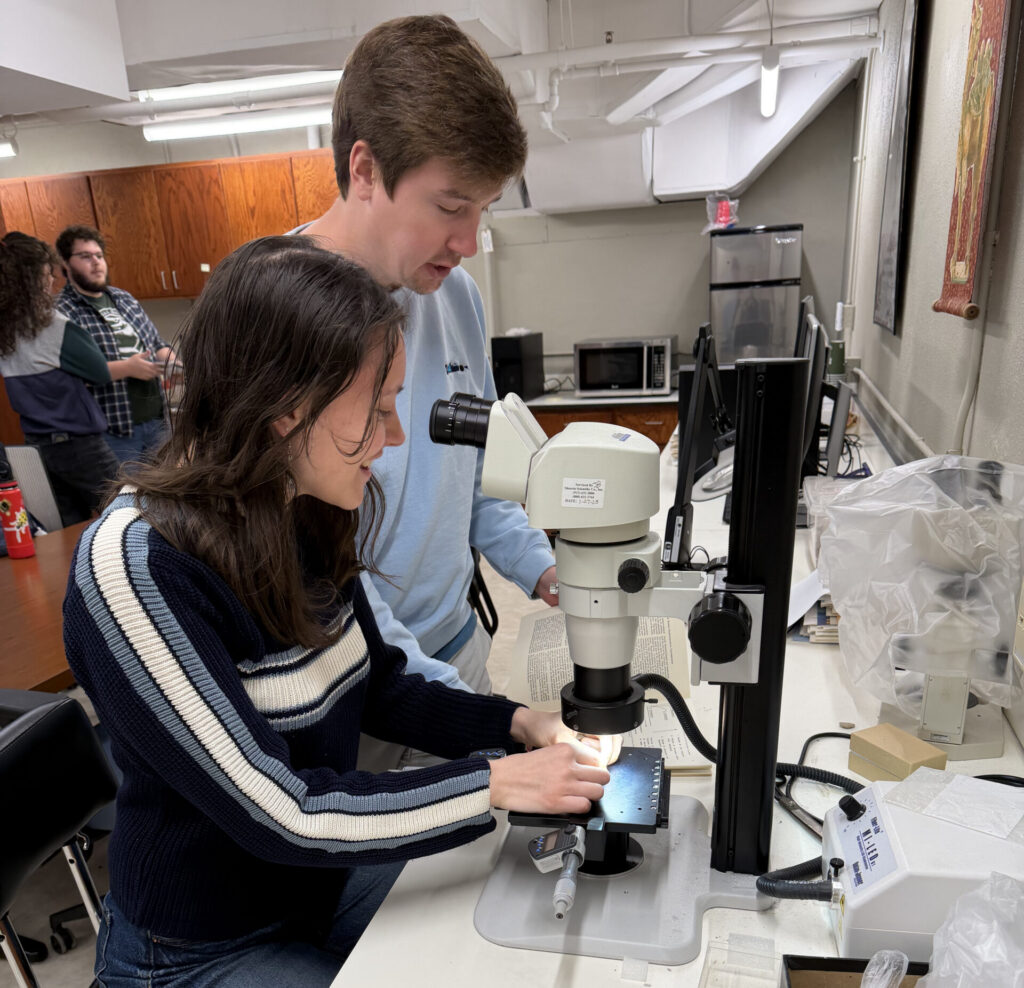
Faculty fellows are professors who offer one-on-one mentorship to honors students, helping open doors to research, study abroad and internship opportunities. Working with faculty fellows also allows students to gain confidence in speaking about their work at national conferences.
“Faculty fellows help us to realize that mission of interdisciplinarity,” said Sarah Crawford-Parker, director of the honors program. “They come from different parts of the university, and they’re here to work with students across the board. You don’t have to be in their department or be taking a class with them. They’re just faculty that are here to help students build some of those interdisciplinary connections.”
The honors program encourages students to step into research opportunities earlier, meaning that they will get more experience and more chances to publish research — an important step for students interested in graduate school.
“Normally, by the time I meet undergraduates, they’re already juniors and seniors, and so there’s very little time for them to actually become involved in a lab, whereas I frequently meet undergraduate honors students when they’re freshmen,” Beard said.
Donor support has helped increase the number of KU faculty fellows to 13 fellows over recent years. Both Beard and Crawford-Parker agree that without donor support, the faculty fellows program would not exist.
“The honors program today is larger than what it was 15 years ago, still a smaller program within the broader university, but our desire is to create more access for students to what we have to offer,” Crawford-Parker said. “We can only do that with faculty fellows to ensure that students have the connections that they need. So, we’re really dependent on donors.”
Donor support helps grow the number of faculty fellows, which is necessary to usher in the honors program’s new initiative: Sharing Your Honors Path. This symposium allows second-year students to present their co-curricular experiences – research, study abroad or internships – as posters to other students and faculty. Faculty fellows act as sounding boards, helping students conceptualize their ideas and experiences.
“We have students coming into our building with their draft posters, talking with fellows, getting input on how to communicate things,” Crawford-Parker said. “It’s community building because at the symposium, they’ll be presenting these with their peers. It’s a nod toward that professional development that we want students to continuously be working on, and we couldn’t do that without the faculty fellows.”
To Beard, being a faculty fellow for KU students is his way of “paying it forward to the next generation” of honors students.
“I hope that I can inspire some young students to pursue the kind of path that I pursued and help them along their way the same way that people helped me back when I was their age,” he said.
If you are interested in helping honors students achieve more with faculty fellow mentorship, you can give directly to the University Honors Program fund. For more information, reach out to Sheri Hamilton, College development director and team lead at KU Endowment, at 785-832-7454 or [email protected].